
 English
 Portugues
 Pусский
 Français
 Deutsch
 한국어
한국어 العربية
 Italiano
 Svenska
 Polski
 ไทย
ไทย Türk dili
 हिन्दी
 Tiếng Việt
 中文
中文 dansk
dansk қазақ
қазақ বাংলা
বাংলা فارسی
فارسی українська
 беларускі
 Suomalainen
 o'zbek
 Србија
 پښتو
پښتو საქართველოს
 Shqipëria
 Afrikaans
 Kikongo
Moldes de alambre interior y exterior
Inner and Outer Wire Molds: A Comprehensive Overview Wire molds, also known as wiring ducts or cable channels, are essential components in electrical and electronic systems, providing organized pathways for wires and cables. They are broadly categorized into inner wire molds and outer wire molds, each serving distinct purposes based on their placement and functionality. Inner Wire Molds Inner wire molds are designed for internal cable management within enclosures, control panels, or machinery. Their primary role is to neatly route and secure wires while preventing tangling, interference, or damage. Key features include: 1. Material and Durability: Typically made from flame-retardant plastics (e.g., PVC, ABS) or metal, they resist heat, chemicals, and mechanical stress. 2. Design Flexibility: Available in slotted, perforated, or solid-wall designs, allowing easy access for wire insertion or modification. 3. Space Optimization: Compact profiles maximize space efficiency in confined areas like server racks or industrial control boxes. 4. Safety Compliance: Often meet standards like UL 94V-0 for flame resistance or IP ratings for dust/water protection in harsh environments. Outer Wire Molds Outer wire molds are used for external cable organization, such as along walls, ceilings, or floors in residential, commercial, or industrial settings. They prioritize aesthetics, protection, and accessibility. Key characteristics include: 1. Surface-Mounted Design: Easy to install without embedding into structures, making them ideal for retrofitting. 2. Material Variety: Options include PVC, aluminum, or steel, balancing cost, durability, and appearance. Transparent molds allow visual inspection. 3. Modularity: Many feature hinged covers, snap-on lids, or adhesive backing for quick maintenance or expansion. 4. Environmental Resistance: UV-resistant or waterproof variants suit outdoor or high-moisture areas (e.g., factories, hospitals). Comparison and Applications - Inner molds focus on functional organization in enclosed spaces (e.g., circuit boards, automotive wiring). - Outer molds emphasize user safety and aesthetics (e.g., office cable trays, home theater systems). Selection Criteria Choose based on: - Environment (indoor/outdoor, temperature, exposure to chemicals). - Load Capacity (number/size of cables). - Regulatory Requirements (fire safety, EMI shielding). Conclusion Inner and outer wire molds streamline cable management while enhancing safety and efficiency. Understanding their differences ensures optimal selection for diverse applications, from industrial machinery to residential wiring projects. Proper implementation reduces clutter, minimizes maintenance, and prolongs the lifespan of electrical systems.
Producto
Categoría:
-
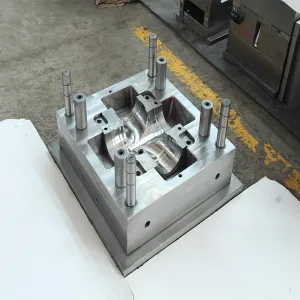
Molde de instalación de tuberías cruzadas de PVC
Su clasificación: Molde para instalación de tuberías de PVCVistas: 527Número:Tiempo de liberación: 2025-11-13 21:15:18Molde de instalación de tuberías cruzadas de PVCNombre del molde:Molde de instalación de tuberías cruzadas de PVCCavidad: 1 cavidadesTamaño del molde: 110 mmAcero para moldes: Alemania 2316, china 2316 o 4cr13 para la cavidad y el núcleo.Puerta: puerta directaestructura del molde: cilindro de aceiteDureza del núcleo/cavidad: HRC 40-45°grados después del tratamiento térmico al vacíoMáquina de moldeo por inyección: 450 T Taizhou Huangyan Hong Jin mold Co., Ltd se estableció en 2002. Somos profesionales en el diseño y fabricación de moldes para accesorios de tuberías desde hace más de 23 años.Es...
Noticias
Categoría:
-
[industry news]Liberando la calidad: el papel esencial de los moldes para a...
2024-09-02 21:36:11
Caso
Categoría:
¡Sin resultados de búsqueda!
Video
Categoría:
¡Sin resultados de búsqueda!
Descargar
Categoría:
¡Sin resultados de búsqueda!
Reclutamiento
Categoría:
¡Sin resultados de búsqueda!
Productos recomendados
¡Sin resultados de búsqueda!




 Whatsapp
 Teléfono